Blog

  • Professional Tree Care and Landscape Preservation: Innovative Practices for Healthy and Long-Lasting Trees

    Professional Tree Care and Landscape Preservation: Innovative Practices for Healthy and Long-Lasting Trees

    Trees are essential to maintaining a healthy environment and creating attractive outdoor spaces. They provide shade, improve air quality, absorb carbon dioxide, and support numerous forms of wildlife. They also contribute to property appearance and help make urban areas more comfortable. However, trees face several challenges, including extreme temperatures, insufficient water, poor soil conditions, pests, and physical damage. Proper tree care requires a combination of preventive maintenance, environmental awareness, and professional expertise. By following effective preservation practices, property owners can maintain healthier landscapes and protect valuable trees.

    1. Understanding the Importance of Tree Condition Assessments

    Tree condition assessments help determine the overall health, growth, and structural condition of individual trees.

    Regular evaluations can identify problems such as damaged branches, unusual foliage changes, bark deterioration, and visible signs of decay.

    Property owners should pay particular attention to mature trees growing near buildings, roads, and public spaces.

    Professional arborists can conduct detailed assessments and recommend suitable maintenance measures based on the tree’s condition.

    2. Choosing the Best Location for New Trees

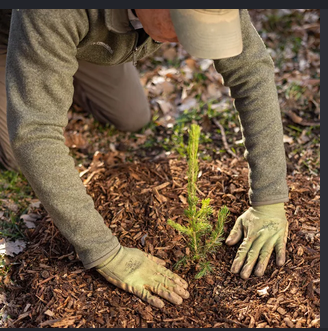
    The planting location has a significant influence on future tree development.

    Before planting, examine the availability of sunlight, soil quality, drainage, underground utilities, and surrounding structures.

    Trees should have enough space to develop their natural canopy and root systems without creating unnecessary conflicts.

    Selecting the right location from the beginning can reduce future pruning requirements and improve long-term landscape planning.

    3. Improving Tree Growth Through Proper Water Conservation

    Water conservation is particularly important in areas experiencing high temperatures and irregular rainfall.

    Efficient irrigation methods can help maintain soil moisture while reducing unnecessary water consumption.

    Property owners can consider drip irrigation, suitable organic mulch, and regular soil moisture checks.

    Newly planted trees generally require closer monitoring than established trees because their root systems are still developing.

    Watering schedules should be adjusted according to weather, soil conditions, and individual species requirements.

    4. Maintaining Healthy Tree Trunks and Branches

    Tree trunks and branches provide essential structural support.

    Physical injuries, improper pruning, and environmental stress can affect their condition.

    Regular inspections help identify cracks, damaged bark, dead branches, and unusual structural changes.

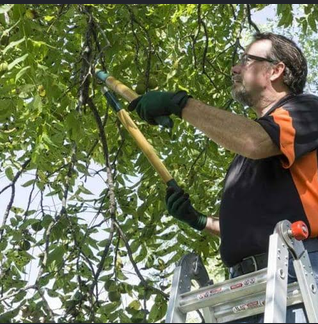
    Pruning should focus on specific maintenance objectives and preserve the natural form of the tree.

    Large or potentially hazardous branches should be handled by qualified professionals.

    5. Understanding the Benefits of Native Tree Species

    Native trees are valuable for sustainable landscape development because they are naturally adapted to regional environmental conditions.

    They can provide food and shelter for local wildlife while contributing to ecological balance.

    In suitable locations, native species may also require less intensive maintenance than trees poorly adapted to the climate.

    Before planting, consider the species’ mature size, water requirements, and compatibility with the available soil.

    6. Managing Tree Care in High-Temperature Environments

    High temperatures can increase water loss and create additional stress for trees.

    In cities such as Karachi, prolonged summer heat makes appropriate species selection and moisture management especially important.

    Useful maintenance practices include:

    • Selecting heat-tolerant tree species.
    • Maintaining appropriate soil moisture.
    • Applying suitable organic mulch.
    • Protecting young trees from physical damage.
    • Monitoring foliage for signs of environmental stress.
    • Avoiding unnecessary root disturbance.

    These measures help trees maintain healthier growing conditions during hot weather.

    7. Preventing Soil Erosion Around Trees

    Soil erosion can expose roots and reduce the amount of soil available for healthy root development.

    Heavy rainfall, strong water flow, and unsuitable landscaping can contribute to erosion.

    Ground cover plants, appropriate mulching, and suitable drainage arrangements can help protect soil surfaces.

    On sloping properties, professional landscape planning may be necessary to manage water movement without damaging established trees.

    8. Supporting Tree Health Through Integrated Pest Management

    Integrated pest management focuses on controlling harmful organisms while minimising unnecessary environmental impacts.

    The process begins with regular monitoring and accurate identification of the pest.

    Suitable approaches may include improving growing conditions, removing affected plant material, encouraging beneficial organisms, and using targeted treatments when necessary.

    Correct identification is essential because not every insect found on a tree is harmful.

    9. Improving Property Value Through Landscape Tree Management

    Well-maintained trees can improve the appearance and functionality of residential and commercial properties.

    Mature shade trees create attractive outdoor areas, while flowering species add seasonal colour.

    Appropriate planting arrangements can also provide privacy and improve the visual balance of gardens.

    A professional landscape plan should consider long-term growth, maintenance requirements, and the relationship between trees and nearby structures.

    10. Establishing a Long-Term Tree Preservation Programme

    A tree preservation programme provides a structured approach to maintaining existing greenery.

    An effective programme should include regular inspections, suitable irrigation, root protection, responsible pruning, and professional assessments when required.

    Property owners should also maintain records of planting dates, tree species, maintenance activities, and observed health changes.

    These records help identify long-term trends and support better maintenance decisions.

    Conclusion

    Professional tree care involves much more than maintaining the appearance of branches and leaves. It requires understanding environmental conditions, protecting root systems, conserving water, managing pests, and preserving natural tree structures. Selecting native and climate-adapted species can further improve landscape sustainability. Through regular inspections, responsible maintenance, and professional arboricultural support, property owners can protect their trees and create healthier outdoor environments. Investing in long-term tree preservation helps strengthen biodiversity, improve property surroundings, and contribute to a greener future.
  • Innovative Tree Care Techniques for Better Growth, Health, and Environmental Protection

    Innovative Tree Care Techniques for Better Growth, Health, and Environmental Protection

    Trees are a valuable part of our natural world and play an important role in maintaining ecological balance. They improve air quality, absorb carbon dioxide, provide shade, and support different forms of wildlife. They also protect soil from erosion, help regulate temperatures, and make landscapes more attractive. Despite their importance, trees face several challenges, including water shortages, poor soil conditions, insect infestations, diseases, and extreme weather. Modern tree-care techniques combined with traditional gardening knowledge can help overcome these challenges and maintain healthier green spaces.

    1. Develop a Personalized Tree Care Plan

    Every tree has different maintenance requirements depending on its species, age, location, and environmental conditions. Creating an individual care plan helps ensure that each tree receives appropriate attention. Include information about watering needs, soil conditions, pruning requirements, and possible health concerns. Review the plan regularly and make adjustments as the tree develops.

    2. Improve Soil Aeration and Root Development

    Tree roots need oxygen to function properly and absorb essential nutrients. Compacted soil can restrict root growth and reduce water movement. Protect the root area from heavy traffic and unnecessary construction activities. Where soil compaction is a concern, consult an arborist about suitable soil improvement techniques. Maintaining healthy soil structure supports stronger root systems.

    3. Use Organic Mulching Techniques

    Organic mulch is an effective material for maintaining favorable soil conditions. Wood chips, bark, and suitable decomposed leaves can help conserve moisture, suppress weeds, and regulate soil temperature. As organic materials break down, they contribute to soil improvement. Apply mulch in a moderate layer around the root zone while keeping it away from direct contact with the trunk.

    4. Monitor Tree Growth and Development

    Observing tree growth helps identify potential problems early. Pay attention to changes in height, branch development, leaf density, and trunk condition. Slow growth may indicate environmental stress, poor soil conditions, or other problems. Keeping photographs and maintenance records can help compare tree development over time.

    5. Improve Tree Care with Modern Technology

    Technology can make tree maintenance more efficient. Soil moisture sensors help determine when irrigation is necessary, while digital records make it easier to track maintenance activities. Professional arborists may also use specialized diagnostic equipment to investigate internal decay and structural weaknesses. These technologies support more informed tree-care decisions.

    6. Maintain Proper Drainage Systems

    Excessive water around tree roots can create unhealthy growing conditions. Inspect the surrounding landscape to ensure that rainwater drains appropriately. Avoid directing large amounts of runoff toward tree trunks. If persistent waterlogging occurs, seek professional advice before changing soil levels or installing drainage systems near established roots.

    7. Encourage Natural Pest Prevention

    A balanced garden ecosystem can help reduce certain pest problems. Beneficial insects and birds contribute to natural pest control. Regular inspections help identify infestations before they become severe. Remove affected plant material when appropriate and use targeted treatments only when necessary. Integrated pest management protects trees while reducing environmental impact.

    8. Protect Trees from Mechanical Injuries

    Damage from lawnmowers, gardening equipment, vehicles, and construction machinery can weaken trees. Protect trunks from accidental impacts and avoid unnecessary digging near root systems. Maintain adequate clearance around tree bases and establish protective barriers during landscaping projects. Preventing physical injuries is often easier than treating damage afterward.

    9. Support Trees During Extreme Weather

    High temperatures, drought, heavy rain, and strong winds can affect tree health. Monitor soil moisture during dry periods and inspect branches after storms. Remove hazardous damaged branches through appropriate professional services. Selecting tree species suited to local environmental conditions can improve long-term resilience.

    10. Build Awareness About Tree Conservation

    Education is an important part of long-term tree protection. Homeowners, students, gardeners, and business owners should understand the environmental benefits of trees. Community workshops, planting programs, and environmental campaigns can encourage responsible maintenance. Sharing practical knowledge helps create a culture of conservation.

    Conclusion

    Innovative tree care combines traditional maintenance practices with modern monitoring techniques and sustainable environmental management. Proper soil conditions, efficient irrigation, careful pruning, pest prevention, and protection from physical damage all contribute to healthy tree development. By adopting a thoughtful approach to tree maintenance, we can preserve natural beauty, support biodiversity, and improve the quality of our surroundings. Healthy trees are an investment in a cleaner environment and a more sustainable future.

  • Effective Tree Care Solutions for Healthy Growth and Long-Lasting Green Spaces

    Effective Tree Care Solutions for Healthy Growth and Long-Lasting Green Spaces

    Trees are essential for maintaining a clean, balanced, and healthy environment. They provide oxygen, absorb harmful gases, reduce air pollution, and offer shelter to different forms of wildlife. They also help control soil erosion, conserve water, and create comfortable outdoor spaces. Whether trees grow in residential gardens, public parks, farms, or commercial landscapes, they require proper maintenance to remain healthy. A thoughtful tree-care routine can prevent common problems, encourage strong development, and preserve their natural beauty.

    1. Understand the Importance of Tree Health

    Tree health affects the surrounding environment in many ways. Healthy trees provide better shade, support biodiversity, and contribute to cleaner air. Weak or damaged trees may become more vulnerable to pests, diseases, and extreme weather. Regular observation and preventive maintenance help identify problems before they become difficult to manage.

    2. Choose the Correct Planting Position

    The location of a tree can determine how successfully it grows. Select a planting area with appropriate sunlight, sufficient root space, and suitable soil conditions. Avoid locations where buildings, underground pipes, or overhead wires may interfere with future growth. Choosing a suitable position reduces the need for unnecessary cutting and transplantation later.

    3. Encourage Deep and Strong Root Growth

    A strong root system provides stability and allows trees to absorb essential nutrients and moisture. During the establishment period, provide appropriate watering to encourage roots to spread into surrounding soil. Avoid frequent shallow watering when deeper irrigation is appropriate. Protect the root zone from heavy equipment, construction work, and unnecessary digging.

    4. Maintain the Correct Soil Conditions

    Soil quality has a direct influence on tree development. Healthy soil should provide suitable drainage, nutrients, moisture, and oxygen. Adding organic compost and suitable mulch can improve soil structure and support beneficial microorganisms. Avoid applying fertilizers without understanding the tree’s nutritional requirements. Soil testing can help identify specific deficiencies.

    5. Perform Regular Tree Health Assessments

    Inspect trees periodically to identify unusual changes. Pay attention to leaf color, branch condition, bark appearance, and signs of insect activity. Check for dead branches, cracks, fungal growth, and visible root problems. Keeping records of these observations can help track changes and support timely maintenance decisions.

    6. Maintain Trees with Responsible Pruning

    Pruning helps maintain tree structure and remove branches that are dead, damaged, or diseased. It can also improve clearance around buildings, roads, and pathways. Use appropriate pruning techniques and avoid removing too much of the canopy. Improper cutting can create wounds and increase the risk of decay. Large or hazardous branches require professional attention.

    7. Manage Water During Hot Weather

    High temperatures can increase water loss through leaves and place additional stress on trees. Monitor soil moisture during prolonged dry periods and provide water when necessary. Applying organic mulch helps reduce evaporation and maintain more stable soil temperatures. Choosing drought-tolerant species can also improve landscape resilience in areas with limited rainfall.

    8. Protect Trees from Harmful Chemicals

    Chemicals used in gardening, cleaning, and construction can damage trees if they reach the root zone or foliage. Store chemicals safely and avoid pouring contaminated water near trees. Use fertilizers and pesticides only when appropriate and follow product instructions. Environmentally responsible treatments help protect soil organisms and surrounding vegetation.

    9. Invest in Long-Term Tree Preservation

    Tree preservation involves protecting existing trees while planning suitable new planting projects. Mature trees offer valuable benefits that take many years to replace. Before removing a damaged tree, consider obtaining a professional assessment to determine whether maintenance or treatment could solve the problem. Communities can also support tree conservation through public awareness and planting initiatives.

    Conclusion

    Effective tree care requires a combination of proper planting, healthy soil management, suitable watering, regular inspections, and responsible pruning. Protecting trees from environmental damage and using sustainable maintenance techniques can significantly improve their health and lifespan. By making tree preservation an everyday priority, we can create attractive landscapes, support wildlife, and contribute to a cleaner and healthier planet for future generations.

  • Essential Tree Care Practices: Improving Tree Strength, Beauty, and Environmental Sustainability

    Essential Tree Care Practices: Improving Tree Strength, Beauty, and Environmental Sustainability

    Trees are a valuable part of every healthy landscape. They provide natural shade, improve air quality, support biodiversity, and create attractive surroundings for homes and businesses. Beyond their visual appeal, trees contribute to environmental stability by absorbing carbon dioxide, reducing soil erosion, and helping regulate temperatures. However, keeping trees healthy requires proper maintenance and an understanding of their natural growing requirements. A combination of preventive care, suitable planting techniques, and professional maintenance can help trees remain strong and beautiful for many years.

    1. Understanding the Importance of Tree Selection

    Choosing the right tree species is the foundation of successful landscaping. Different trees have different requirements for sunlight, water, soil conditions, and growing space.

    Before selecting a tree, consider the local climate, available planting area, mature height, canopy width, and root characteristics.

    For warmer environments, drought-tolerant and heat-adapted species may be suitable choices. Neem, amaltas, and other locally appropriate trees can provide attractive foliage and valuable shade.

    Selecting suitable trees from the beginning can reduce future maintenance challenges.

    2. Maintaining Proper Tree Growth and Structure

    A tree’s natural structure influences its strength, appearance, and overall development. Healthy branches should have suitable spacing and strong attachments.

    Regular observation helps identify damaged limbs, deadwood, and unusual growth patterns.

    Selective pruning can improve the tree’s structure when necessary. However, excessive cutting may weaken branches and interfere with natural development.

    Professional arborists can recommend suitable pruning methods based on the tree’s species, age, and condition.

    3. Understanding the Role of Sunlight in Tree Development

    Sunlight is essential for photosynthesis, the process through which trees produce energy for growth.

    Different tree species have different sunlight requirements. Some grow best in full sunlight, while others tolerate partial shade.

    Planting trees in locations that match their light requirements can improve foliage development and overall health.

    Property owners should also consider how nearby buildings and other trees may affect sunlight exposure as the landscape develops.

    4. Preventing Root Damage During Property Improvements

    Roots are essential for water absorption, nutrient collection, and structural stability.

    Construction projects, underground utility installation, and landscaping changes can damage roots and negatively affect tree health.

    Before beginning property improvements, identify existing trees and establish suitable protection zones.

    Avoid unnecessary excavation and changes in ground level around established trees. Professional arboricultural guidance can help reduce damage during complex projects.

    5. Managing Tree Health During Seasonal Transitions

    Trees respond differently to changing temperatures and rainfall patterns.

    During warmer months, increased evaporation may create additional irrigation requirements. In rainy periods, excessive soil moisture can affect root health.

    Seasonal monitoring helps property owners identify environmental stress and adjust maintenance activities accordingly.

    A flexible maintenance schedule is generally more effective than following identical watering and pruning routines throughout the year.

    6. Supporting Trees Through Proper Weed Management

    Weeds growing close to young trees may compete for available water, nutrients, and sunlight.

    Managing unwanted vegetation around the root zone can reduce competition and improve establishment conditions.

    Organic mulch can help suppress weed growth while conserving moisture.

    Care should be taken when using mechanical equipment because cutting or scraping near the trunk can damage protective bark tissues.

    7. Maintaining Healthy Trees in Residential Communities

    Residential trees improve neighbourhood appearance and create comfortable outdoor spaces.

    Homeowners should select trees that suit their property size and avoid planting species that may become unsuitable as they mature.

    Regular monitoring, appropriate watering, and responsible pruning help maintain attractive garden landscapes.

    Neighbourhood tree-planting initiatives can also increase greenery and encourage environmental awareness.

    8. Understanding the Importance of Tree Diversity

    Planting different suitable species can improve the resilience of a landscape.

    If an area contains only one tree species, a pest or disease affecting that species may cause widespread damage.

    A diverse planting programme can reduce this risk while providing different canopy shapes, flowers, fruits, and wildlife habitats.

    Native and climate-adapted species are valuable options when planning environmentally responsible landscapes.

    9. Identifying When Professional Tree Care Is Needed

    Some tree maintenance activities require specialist knowledge and equipment.

    Professional assistance is recommended when trees develop large cracks, significant decay, unstable root systems, extensive branch damage, or serious disease symptoms.

    Qualified arborists can evaluate the situation and recommend appropriate preservation or maintenance options.

    Property owners should avoid attempting dangerous pruning or tree removal without proper training.

    10. Making Tree Care Part of Everyday Property Management

    Tree maintenance should be included in regular property management activities.

    A practical approach involves checking foliage, monitoring soil conditions, protecting roots, observing branch development, and arranging professional inspections when necessary.

    Maintaining simple records can help property owners track changes and plan future maintenance.

    Consistent preventive care is often more effective than waiting until a tree develops a serious problem.

    Conclusion

    Healthy trees require suitable growing conditions, careful maintenance, and protection from avoidable damage. Selecting appropriate species, managing sunlight exposure, protecting roots, controlling weeds, and maintaining tree diversity all contribute to successful landscape development. Regular monitoring and professional arboricultural support can help prevent serious problems and preserve valuable greenery. By making tree care an ongoing responsibility, homeowners and communities can create healthier landscapes, improve environmental quality, and support a greener future.

  • Year-Round Tree Protection: Building Resilient Trees Through Proper Care

    Year-Round Tree Protection: Building Resilient Trees Through Proper Care

    Trees are valuable natural assets that improve the environment and make outdoor spaces more attractive. They provide oxygen, reduce surrounding temperatures, absorb carbon dioxide, and create habitats for wildlife. However, trees face several challenges during their lifetime, including drought, storms, soil deterioration, insects, and human activities. Proper tree protection helps reduce these risks and supports healthy development. By following suitable maintenance practices, homeowners and communities can preserve trees and enjoy their benefits for many years.

    1. Understand Tree Adaptation

    Trees naturally adapt to the environmental conditions in which they grow. Some species tolerate high temperatures, while others require cooler conditions and regular rainfall. Selecting trees that match the local climate can reduce maintenance requirements and improve survival rates. Understanding a species’ natural characteristics also helps determine its watering, soil, and sunlight needs.

    2. Protect Trees from Excessive Heat

    High temperatures can increase water loss through leaves and place additional pressure on root systems. Young trees are particularly sensitive during hot weather. Maintain suitable soil moisture and use organic mulch to reduce evaporation. Avoid unnecessary root disturbance during heat waves, and provide additional protection to vulnerable trees when required.

    3. Improve Water Penetration

    Water must reach the root zone to support healthy tree development. Hard or compacted soil may prevent moisture from entering the ground effectively. Organic matter can improve soil structure and water absorption. Slow irrigation is often useful because it allows water to move gradually through the soil rather than running away from the planting area.

    4. Maintain Healthy Tree Crowns

    The crown contains the branches and leaves responsible for photosynthesis. A healthy crown supports energy production and balanced growth. Inspect the canopy for broken branches, deadwood, and signs of disease. Appropriate pruning can improve tree structure, but unnecessary removal of healthy branches should be avoided.

    5. Prevent Damage from Animals

    Some animals can damage young trees by eating leaves, rubbing against trunks, or disturbing roots. Protective trunk guards and suitable fencing can reduce these risks. Check protective materials regularly to ensure they are not becoming tight around growing trunks. Choose solutions that protect trees without restricting their natural development.

    6. Recognize Tree Decline Early

    Tree decline often develops gradually. Reduced leaf production, dead branches, unusual discoloration, and visible decay may indicate health problems. Compare current growth with previous seasons to identify unusual changes. Early professional assessment can help determine whether the problem is related to pests, disease, soil conditions, or environmental stress.

    7. Preserve Trees During Property Improvements

    Garden renovations and construction projects can unintentionally harm established trees. Excavation, changes in drainage, and heavy equipment may damage important roots. Before starting any property improvement, identify nearby trees and establish protective areas. Consult an arborist to plan work around valuable or mature specimens.

    8. Promote Tree Care Awareness

    Environmental protection becomes more effective when individuals understand the importance of maintaining trees. Communities can arrange tree-care workshops, gardening activities, and educational programs. Sharing basic knowledge about watering, pruning, and disease prevention encourages responsible maintenance and long-term environmental awareness.

    Conclusion

    Year-round tree protection requires proper planning, regular observation, and responsible maintenance. Protecting trees from excessive heat, improving soil conditions, maintaining healthy crowns, and preventing physical damage all support stronger growth. Early detection of problems and professional guidance can further improve tree survival. By making tree protection a shared responsibility, we can preserve valuable green spaces and contribute to a healthier, more sustainable environment.

  • Smart Tree Care Solutions: Keeping Your Trees Healthy in Every Season

    Smart Tree Care Solutions: Keeping Your Trees Healthy in Every Season

    Trees are an important part of a healthy and sustainable environment. They provide oxygen, reduce pollution, create shade, and support a wide variety of wildlife. They also improve the appearance of gardens, parks, and residential landscapes. However, trees face several challenges throughout their lives, including changing weather, soil problems, insects, and physical damage. Smart tree care involves understanding these challenges and providing the right maintenance at the right time.

    1. Choose Trees According to Their Purpose

    Different trees serve different purposes in a landscape. Some provide excellent shade, others produce fruits, while certain varieties are especially valuable for ornamental beauty. Consider the available space, local climate, and maintenance requirements before selecting a tree. Choosing the right species helps create a balanced landscape and reduces future maintenance difficulties.

    2. Maintain Healthy Soil Conditions

    Soil quality directly influences the development of tree roots. Healthy soil should contain sufficient organic matter, nutrients, air, and moisture. Adding compost can improve soil structure and encourage beneficial microorganisms. Avoid placing concrete, plastic sheets, or other materials over large areas of the root zone because they can interfere with natural soil conditions.

    3. Water Trees According to Their Needs

    Every tree has different watering requirements. Young trees generally need closer monitoring, while established trees may survive with less frequent irrigation. Weather conditions, soil type, and tree species should determine the watering schedule. Water deeply when necessary and allow the soil to drain properly. Avoid frequent shallow watering because it may encourage roots to remain close to the surface.

    4. Maintain Trees Without Overpruning

    Pruning is useful for removing dead branches, correcting structural problems, and improving safety. However, excessive pruning can weaken trees and reduce their ability to produce energy. Maintain the tree’s natural shape and remove only branches that genuinely require attention. Large branches should be handled by qualified professionals using appropriate equipment.

    5. Protect Trees from Harmful Insects

    Insect activity is a normal part of nature, but certain pests can damage leaves, bark, and roots. Examine trees regularly for unusual holes, sticky deposits, webbing, and damaged foliage. Identify the pest before selecting a control method. Encourage beneficial insects and use targeted treatments when necessary rather than applying pesticides without a clear reason.

    6. Maintain Trees During Heat Waves

    High temperatures can increase water loss and place additional stress on trees. During prolonged hot weather, monitor soil moisture and provide suitable irrigation, particularly for young trees. Organic mulch helps keep the root zone cooler and reduces evaporation. Avoid disturbing the roots during extremely hot conditions.

    7. Protect Trees from Human Activities

    Human activities can unintentionally cause serious tree damage. Construction, road development, improper landscaping, and careless gardening may harm roots and trunks. Establish protective areas around valuable trees before beginning outdoor projects. Avoid storing heavy materials near the root system and prevent unnecessary cutting of branches.

    8. Encourage Responsible Tree Ownership

    Tree ownership includes the responsibility to maintain safety and environmental health. Property owners should monitor tree conditions, address visible damage, and arrange professional inspections when necessary. Community awareness programs can also encourage responsible planting and maintenance in public areas.

    Conclusion

    Smart tree care is about making informed decisions that support healthy growth throughout the year. Selecting suitable species, maintaining soil quality, watering correctly, and preventing unnecessary damage are essential practices. Regular inspections and responsible pruning also help trees remain strong and attractive. By following these methods, we can protect valuable trees, improve our surroundings, and contribute to a healthier and more sustainable planet.

  • Modern Tree Care Practices for Sustainable Landscapes and Environmental Health

    Modern Tree Care Practices for Sustainable Landscapes and Environmental Health

    Trees are an important foundation of a healthy natural environment. They provide oxygen, absorb carbon dioxide, improve air quality, and create habitats for birds, insects, and other wildlife. They also help control soil erosion, reduce surrounding temperatures, and improve the appearance of residential and commercial properties. Maintaining healthy trees requires a combination of traditional gardening knowledge and modern maintenance techniques. With proper attention, trees can remain strong, attractive, and productive throughout their lives.

    1. Develop a Complete Tree Maintenance Plan

    A proper maintenance plan helps ensure that trees receive consistent attention. Begin by identifying the different tree species on your property and understanding their individual requirements. Create a schedule for watering, soil inspection, pruning, and general health assessments. Regular maintenance makes it easier to identify problems and prevent unnecessary damage.

    2. Choose the Best Irrigation Method

    Different trees require different amounts of water depending on their age, species, and growing conditions. Drip irrigation is an effective method because it delivers water slowly near the roots. For larger landscapes, properly designed irrigation systems can help maintain consistent soil moisture. Rainwater harvesting is another useful practice that reduces dependence on conventional water supplies.

    3. Maintain Healthy Tree Canopies

    The canopy is the upper part of a tree, consisting of branches and leaves. A healthy canopy supports photosynthesis and contributes to overall tree development. Inspect branches for dead wood, damaged growth, and unusual changes. Appropriate pruning can improve tree structure and remove potential hazards. Avoid removing too much foliage because trees need their leaves to produce energy.

    4. Improve Soil Aeration and Drainage

    Tree roots need oxygen to function properly. Compacted soil can prevent air and water from reaching the root system. Avoid parking heavy vehicles or storing construction materials over important root areas. Where appropriate, professional soil management techniques can improve drainage and reduce compaction. Maintaining suitable soil conditions supports stronger roots and healthier growth.

    5. Protect Trees from Excessive Heat

    High temperatures can create serious challenges, especially for young trees. Prolonged heat may cause leaves to wilt, dry out, or fall prematurely. Applying organic mulch helps maintain soil moisture and reduce temperature fluctuations. Watering deeply when necessary and selecting heat-tolerant tree species can also improve survival in warmer climates.

    6. Encourage Biodiversity Around Trees

    Trees provide valuable habitats for many living organisms. Planting suitable native shrubs, flowers, and ground-cover plants nearby can support local biodiversity. Avoid removing every fallen leaf or natural material because some organic matter supports beneficial insects and soil organisms. A balanced garden ecosystem can help maintain healthier landscapes.

    7. Use Technology for Better Tree Monitoring

    Modern tools can make tree maintenance more effective. Soil moisture sensors help determine when watering is needed, while digital records can track growth and maintenance activities. Professional tree assessments may also use specialized equipment to examine internal decay or structural weaknesses. These techniques help property owners make informed decisions about tree health.

    8. Promote Responsible Tree Care in Urban Communities

    Urban trees face challenges such as limited root space, pollution, construction, and changing weather conditions. Residents, property managers, and local organizations can work together to protect existing trees and establish new green spaces. Selecting suitable species and providing adequate growing space are essential for successful urban tree planting.

    Conclusion

    Modern tree care combines regular maintenance, scientific knowledge, and environmentally responsible practices. Proper irrigation, healthy soil, careful pruning, heat protection, and biodiversity conservation all contribute to successful tree development. By using suitable maintenance techniques and encouraging community involvement, we can protect valuable trees and create sustainable landscapes. Every well-maintained tree helps build a cleaner, healthier, and greener future.

  • Advanced Tree Care Methods for Preserving Nature and Enhancing Landscapes

    Advanced Tree Care Methods for Preserving Nature and Enhancing Landscapes

    Trees are among the most valuable natural resources on Earth. They improve environmental quality, provide shade, support wildlife, and contribute to the beauty of outdoor spaces. Healthy trees also help regulate temperatures, reduce soil erosion, and absorb carbon dioxide. However, maintaining trees requires proper knowledge and regular attention. Following effective tree-care methods can improve their growth, prevent common problems, and protect them for many years.

    1. Understand the Importance of Root Protection

    Tree roots play a major role in maintaining stability and absorbing essential nutrients. Damage to the root system can affect the entire tree, sometimes causing gradual decline. Avoid unnecessary excavation, heavy construction, and soil compaction near trees. Maintaining a suitable protective area around the trunk allows roots to receive enough water and oxygen.

    2. Maintain Proper Tree Spacing

    Planting trees too close together can create competition for sunlight, water, and nutrients. As trees mature, overcrowded branches may also reduce airflow and increase maintenance requirements. Consider the expected mature height and canopy width before planting. Appropriate spacing allows every tree to develop naturally and creates a more balanced landscape.

    3. Use Environmentally Friendly Gardening Practices

    Sustainable gardening methods help maintain healthy trees while protecting the surrounding environment. Organic compost, natural mulch, and responsible water management can improve growing conditions. Avoid unnecessary pesticide applications and choose treatments that minimize harm to beneficial insects and soil organisms. These practices support a healthier garden ecosystem.

    4. Recognize Signs of Structural Problems

    A tree may appear healthy while developing hidden structural weaknesses. Cracks in major branches, cavities, unusual leaning, and damaged root areas can indicate potential safety concerns. Regular visual inspections help identify warning signs. However, serious structural problems should always be evaluated by a qualified arborist who can recommend suitable action.

    5. Care for Trees After Planting

    The first few years after planting are important for successful establishment. Newly planted trees need appropriate watering, protection from physical damage, and regular monitoring. Keep grass and weeds away from the immediate root area and apply mulch correctly. Check that support ties, if used, are not restricting trunk movement or damaging the bark.

    6. Maintain Trees Near Buildings

    Trees growing close to houses and other structures require thoughtful maintenance. Their branches should have sufficient clearance from roofs, windows, and other structures. Roots also need adequate growing space. Avoid cutting major roots to solve landscaping problems because this can weaken the tree’s stability. Consult a professional when conflicts develop between trees and buildings.

    7. Encourage Healthy Wildlife Habitats

    Trees provide food, shelter, and nesting opportunities for many wildlife species. Maintaining native plants around trees can attract pollinators, birds, and beneficial insects. Avoid unnecessary removal of natural habitats and reduce the use of harmful chemicals. Supporting local biodiversity creates a healthier and more balanced outdoor environment.

    8. Plan for Long-Term Tree Preservation

    Tree preservation should be part of every landscaping and environmental planning project. Regular inspections, responsible pruning, soil improvement, and protection during construction can help preserve valuable trees. Communities should also prioritize maintaining mature trees because their environmental benefits cannot be replaced immediately by newly planted seedlings.

    Conclusion

    Advanced tree care involves more than basic watering and pruning. It requires understanding root systems, maintaining suitable spacing, recognizing structural problems, and protecting trees from environmental damage. Sustainable gardening and professional inspections also contribute to long-term tree health. By adopting these responsible practices, we can preserve natural beauty, support wildlife, and build greener communities for future generations.

  • Advanced Tree Preservation and Maintenance: Building Healthy Green Environments

    Trees are an important part of our natural environment and contribute significantly to ecological balance. They provide oxygen, absorb carbon dioxide, reduce soil erosion, create wildlife habitats, and improve the appearance of outdoor spaces. From residential gardens to large commercial landscapes, healthy trees offer long-lasting environmental and aesthetic benefits. Maintaining these valuable natural resources requires proper planning, regular inspections, and responsible tree-care practices.

    1. Understanding the Importance of Tree Preservation

    Tree preservation focuses on protecting existing trees and maintaining their health throughout their natural life cycle. Mature trees are particularly valuable because they provide extensive shade, established habitats, and environmental benefits that cannot be immediately replaced by newly planted trees.

    Protecting established trees during landscaping, renovation, and construction projects should therefore be a priority. Preventing unnecessary root disturbance, trunk injuries, and excessive pruning can help preserve their long-term health.

    2. Maintaining Healthy Tree Canopies

    A tree canopy is responsible for capturing sunlight and supporting photosynthesis. Its condition directly influences the tree’s ability to produce energy and maintain healthy development.

    Regular inspections can identify deadwood, damaged branches, overcrowded growth, and signs of disease. Selective pruning can help maintain a balanced structure and remove branches that create potential hazards.

    However, removing excessive foliage can weaken a tree. Maintenance should always respect its natural shape and biological requirements.

    3. Improving Soil Conditions Around Trees

    Healthy soil is one of the most important foundations of successful tree growth. It provides essential nutrients, moisture, and oxygen to developing roots.

    Compacted or nutrient-deficient soil can limit root development and affect overall tree health.

    Property owners can improve growing conditions through appropriate organic compost, suitable mulching, and proper drainage management.

    It is also important to avoid excessive fertiliser applications because unnecessary nutrients may encourage weak growth and contribute to environmental pollution.

    4. Managing Tree Health During Seasonal Changes

    Seasonal weather conditions can influence tree growth and maintenance requirements.

    • Spring: Monitor new growth, inspect foliage, and identify early signs of pests.
    • Summer: Check soil moisture and provide additional irrigation when necessary.
    • Autumn: Inspect branches, maintain suitable soil conditions, and prepare vulnerable trees for colder weather.
    • Winter: Assess storm damage, inspect structural weaknesses, and arrange suitable maintenance.

    The correct schedule depends on the local climate and the specific tree species.

    5. Preventing Damage from Construction Activities

    Construction work can seriously affect established trees. Excavation, heavy equipment, soil compaction, and changes to ground levels may damage essential root systems.

    Before beginning work near trees, it is important to establish suitable protection zones. Temporary barriers and restrictions on machinery movement can help reduce accidental damage.

    Professional arboricultural advice is particularly useful when construction takes place near valuable mature trees.

    6. Encouraging Natural Wildlife Habitats

    Trees provide essential shelter and food sources for birds, insects, and other wildlife. Maintaining diverse vegetation can improve the ecological value of gardens and public landscapes.

    Native tree species are often particularly beneficial because local wildlife may depend on their flowers, fruits, seeds, and foliage.

    Where appropriate, retaining healthy mature trees and avoiding unnecessary chemical treatments can further support biodiversity.

    7. Recognising When a Tree Needs Professional Attention

    Some tree problems require specialist knowledge and equipment. Significant trunk cracks, extensive decay, unstable roots, and large hanging branches should be assessed by qualified arborists.

    Professional tree inspections can identify structural weaknesses and recommend suitable management options.

    Depending on the condition, these may include monitoring, selective pruning, specialist treatment, or removal when necessary for safety.

    8. Developing a Long-Term Tree Preservation Strategy

    A successful tree preservation strategy should focus on prevention rather than waiting for serious problems to develop.

    Property owners can create a maintenance plan that includes regular inspections, suitable irrigation, soil improvement, pest monitoring, and professional assessments.

    Keeping records of tree condition and maintenance activities also helps track changes over time.

    Conclusion

    Tree preservation is an important responsibility that benefits both the environment and local communities. Healthy trees provide shade, improve air quality, support wildlife, and create attractive outdoor spaces. Through responsible pruning, root protection, soil management, seasonal inspections, and professional guidance, property owners can maintain stronger and healthier trees. Protecting existing trees and planting suitable new species are valuable steps towards creating sustainable landscapes and a greener future for generations to come.

    C

  • Complete Guide to Tree Preservation: Best Practices for Healthy and Beautiful Landscapes

    Complete Guide to Tree Preservation: Best Practices for Healthy and Beautiful Landscapes

    Trees are an essential part of a balanced ecosystem and play a major role in creating attractive, comfortable, and sustainable outdoor spaces. They provide shade, improve air quality, absorb carbon dioxide, and offer habitats for numerous wildlife species. Whether located in residential gardens, public parks, commercial properties, or large landscapes, trees need proper attention to remain healthy and strong. Tree preservation focuses on protecting existing trees, preventing unnecessary damage, and maintaining suitable growing conditions throughout their lives.

    1. Why Tree Preservation Matters

    Preserving established trees offers several environmental and economic advantages. Mature trees provide benefits that newly planted trees may take many years to develop. Their extensive canopies offer shade, while their root systems help stabilise soil and reduce erosion.

    Trees also contribute to property appearance and can improve the overall experience of outdoor spaces. Protecting existing trees is therefore an important part of responsible landscaping and environmental management.

    2. Protecting Trees from Physical Damage

    Physical damage is a common cause of declining tree health. Lawn equipment, vehicles, construction activities, and improper landscaping practices can injure trunks and roots.

    Even relatively small injuries can create entry points for pests and disease-causing organisms. Property owners should avoid storing heavy materials near tree trunks and should prevent unnecessary excavation around established root systems.

    Installing protective barriers around valuable trees during construction can reduce the possibility of accidental damage.

    3. Maintaining Healthy Branches and Tree Canopies

    Branches play an important role in supporting the tree canopy and distributing sunlight throughout the foliage. Regular inspections can identify deadwood, damaged branches, and abnormal growth patterns.

    Selective pruning helps maintain a balanced structure while removing branches that could create safety concerns.

    However, pruning should follow appropriate arboricultural standards. Excessive cutting and unnecessary removal of healthy branches can weaken trees and interfere with natural development.

    4. Improving Tree Resistance to Environmental Challenges

    Trees regularly experience environmental pressures, including heat, drought, heavy rainfall, strong winds, and changing soil conditions.

    Providing suitable growing conditions can improve their ability to tolerate these challenges.

    Important practices include maintaining healthy soil, providing appropriate irrigation, protecting roots, and selecting species suited to the local climate.

    During particularly hot weather, young trees may require additional attention because their root systems are not yet fully established.

    5. Organic Methods for Better Tree Maintenance

    Organic materials can play a useful role in maintaining healthy growing environments. Compost and suitable natural mulch can improve soil structure, support beneficial microorganisms, and help retain moisture.

    Organic mulch also reduces competition from weeds and protects the soil surface from temperature fluctuations.

    Nevertheless, organic treatments should be used appropriately. Excessive compost, unsuitable materials, or thick layers of mulch can create unwanted growing conditions.

    6. Recognising Signs of Tree Ageing

    As trees mature, their growth patterns naturally change. Older trees may develop dead branches, cavities, bark changes, or reduced foliage.

    These characteristics do not automatically mean that a tree is unsafe or unhealthy. Some mature trees provide important habitats for wildlife and can continue living for many years.

    Professional arboricultural inspections help distinguish normal ageing from serious structural or health problems.

    7. Tree Care and Community Responsibility

    Tree preservation is not only the responsibility of individual property owners. Communities, local authorities, landscaping companies, and environmental organisations all have a role in protecting trees.

    Community planting programmes, public awareness campaigns, responsible landscaping, and protection of mature trees can contribute to greener neighbourhoods.

    Encouraging people to understand the importance of trees also helps build a stronger culture of environmental responsibility.

    8. Planning for Long-Term Tree Health

    Successful tree preservation requires a long-term approach. Maintaining inspection records, monitoring growth, identifying potential hazards, and arranging suitable professional maintenance can help protect trees over time.

    A well-designed maintenance plan should consider individual species, environmental conditions, available resources, and the purpose of each tree within the landscape.

    Conclusion

    Tree preservation is an important part of environmental protection and sustainable landscape management. By preventing physical damage, maintaining healthy canopies, improving soil conditions, and recognising early signs of tree stress, property owners can extend the life and value of their trees. Combining responsible maintenance with professional expertise helps protect established landscapes and supports biodiversity. Every preserved tree contributes to a greener, healthier, and more sustainable future.